Chestnut Hardwood Flooring — Rare Beauty, Timeless Legacy
Chestnut hardwood flooring carries with it the soul of American history. Once one of the most abundant species in the Appalachian region, American chestnut trees were nearly lost to the chestnut blight of the early 20th century. Today, chestnut is cherished for its rarity, warm color, and open grain, making it a sought-after material for both historic restorations and design-forward projects that want to capture old-world charm. At Cochran’s, we craft chestnut flooring in our Berryville, VA shop, offering both solid and engineered formats in widths from 3″ to 10″ and lengths from 2′ to 10′. Every board is tongue-and-groove milled and end-matched for a precise, long-lasting installation.
Why Choose Chestnut Hardwood Flooring?
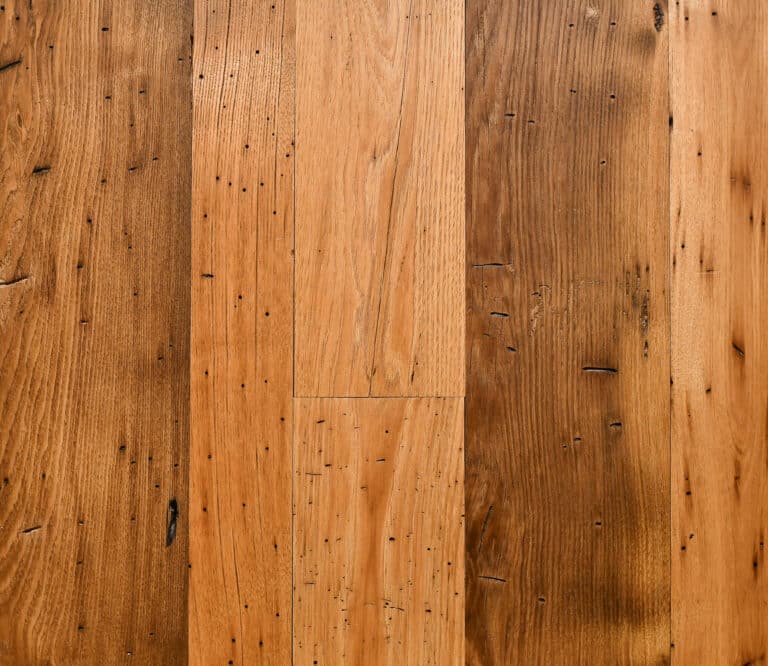
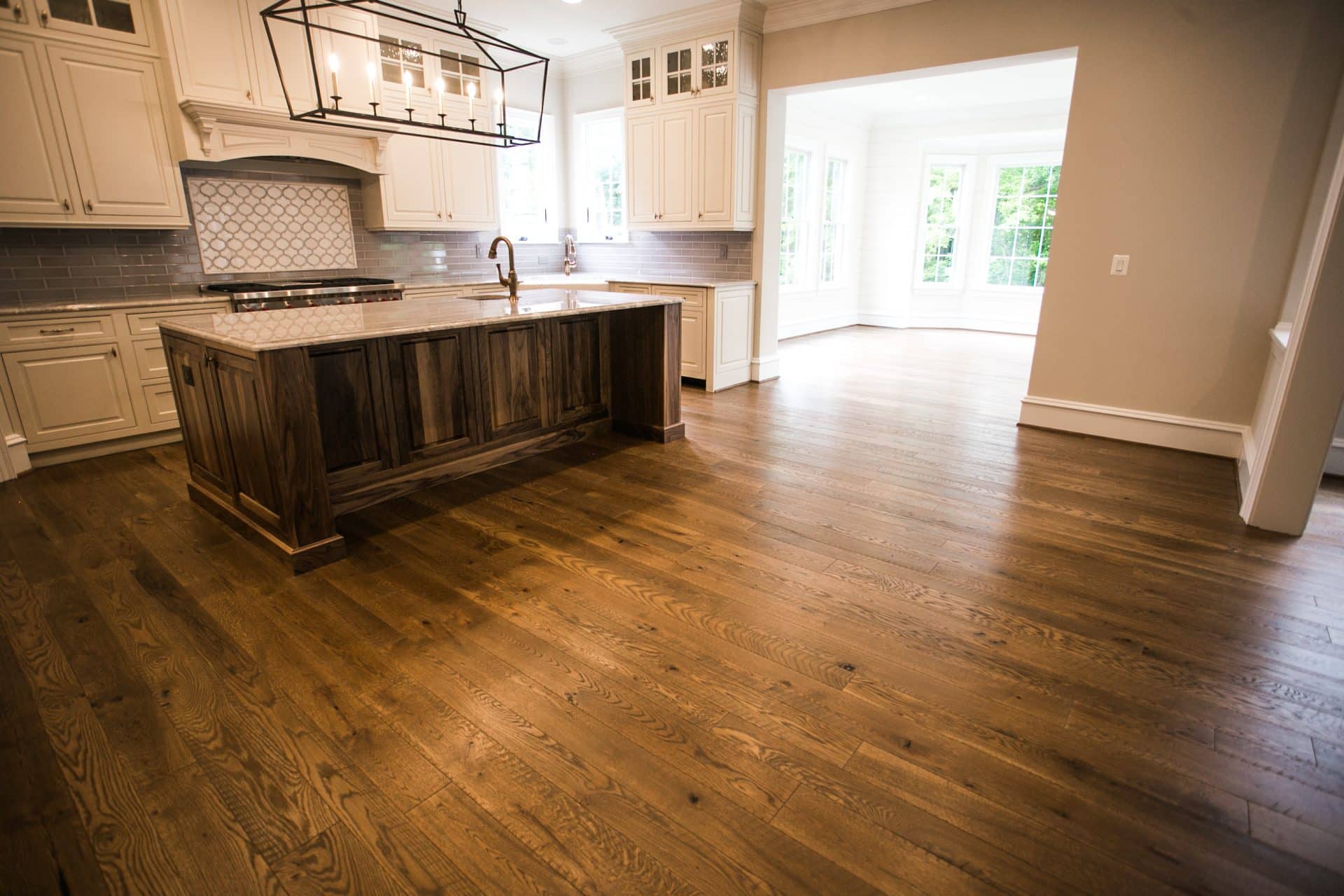
Chestnut’s unique beauty lies in its warm medium-brown tone, open grain, and subtle texture. Unlike oak or hickory, chestnut has a softer feel underfoot, making it more forgiving while still durable enough for everyday living. Its historic legacy makes it particularly prized for restoration projects, but its timeless aesthetic is equally suited for traditional and rustic designs.
Chestnut is especially well-suited for:
Restoration projects requiring authentic period materials.
Homes seeking warmth and character with a touch of history.
Rustic and traditional interiors where natural patina adds charm.
If you’re seeking maximum hardness or uniformity, oak or hickory may be better choices. But for history and character, chestnut remains unmatched.
Chestnut Flooring at a Glance
Before exploring structure and design details, here’s a quick overview of the key specifications Cochran’s offers for chestnut flooring.
| Attribute | Cochran’s Chestnut Offering | What It Means for You |
|---|---|---|
| Structure | Solid or engineered | Choose solid for authentic, traditional builds; engineered for enhanced stability in wide planks or varied conditions. |
| Widths | 3″–10″ | Wide planks highlight chestnut’s rustic beauty, while narrow boards create a more traditional aesthetic. |
| Lengths | 2′–10′ | Longer boards provide fewer seams and a more seamless look. |
| Profile | Tongue & groove | Ensures a precise, professional installation. |
| End-Matched | Yes | Speeds installation and reduces waste. |
| Finishes | Unfinished · Prefinished (matte, satin, semi-gloss) | Finish on-site for total customization or choose prefinished for convenience. |
| Textures | Smooth or custom textures | Smooth for understated elegance; distressed or hand-scraped for a reclaimed, antique look. |
| Best Uses | Historic restorations · Traditional homes · Rustic spaces | Adds historic charm and warmth wherever it’s installed. |
Chestnut Structure & Construction
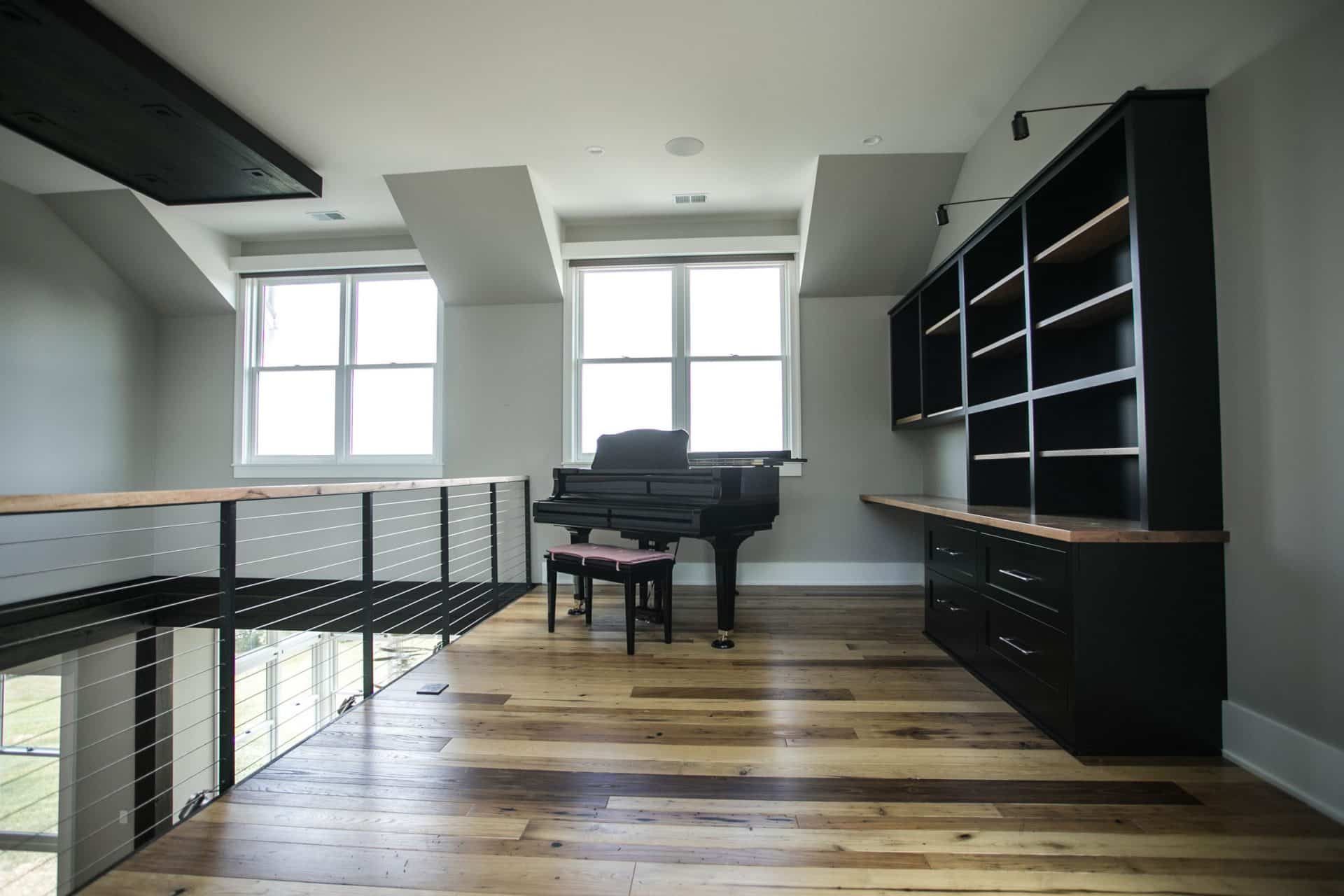
At Cochran’s, chestnut flooring is available in both solid and engineered formats:
Solid chestnut (3/4″ thick): Full-thickness boards for above-grade nail-down installations. Offers the ability to refinish and provides a traditional hardwood feel steeped in authenticity.
Engineered chestnut: Built with a multi-ply core for stability. Works well in wide planks, below-grade spaces, or homes with radiant heat systems, delivering the look of chestnut with added resilience.
Every option is tongue-and-groove milled and end-matched for a professional installation with tight joints and minimal waste.
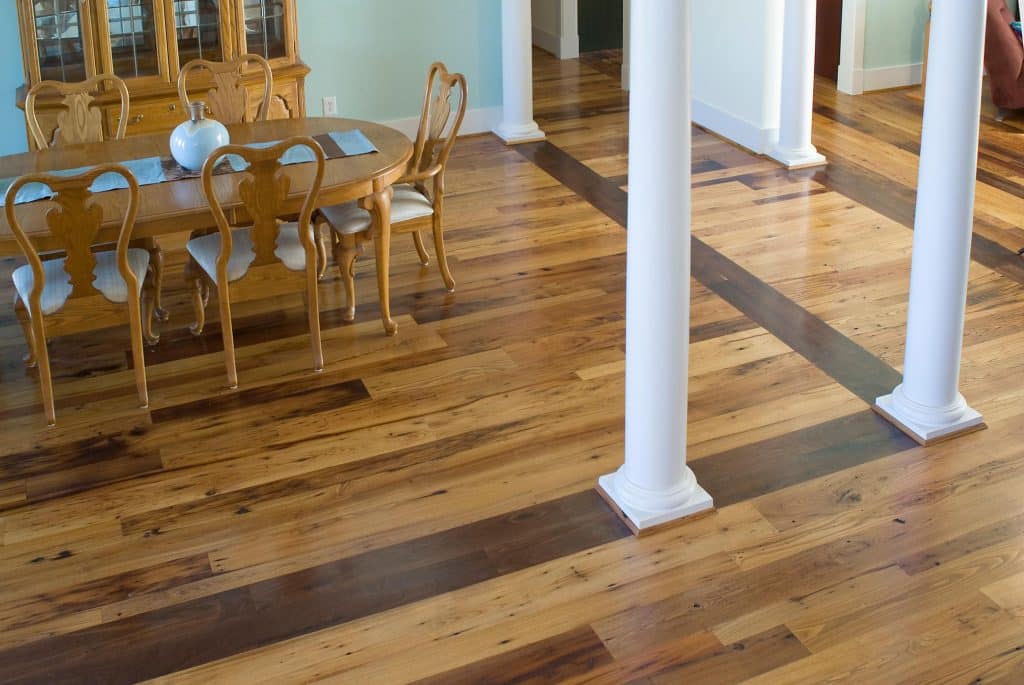
Grades, Texture, and Finish —
Shaping the Look of Your Chestnut Floors
Your chestnut floor can be tailored through grade, finish, and texture choices:
Grades: Clear grade minimizes knots and variations for a more refined look, while character grade embraces chestnut’s natural color shifts and open grain for a rustic effect.
Finishes: Available unfinished for custom stain and finish work or prefinished in matte, satin, or semi-gloss.
Textures: Smooth for simplicity, or distressed, skip-planed, or hand-scraped for antique charm.
Comparing Chestnut to Other Woods
Here’s how chestnut compares to the other hardwood species we offer, so you can see its unique strengths and applications.
| Species | Color & Tone | Grain & Appearance | Hardness / Durability | Best Uses |
| White Oak | Light to medium brown, takes stain evenly | Straight grain with ray fleck in live sawn cuts | Very durable, excellent for high-traffic | Residential & commercial, versatile styles |
| European Oak | Slightly lighter, more neutral tones | Wide grain pattern, subtle variation | Strong and stable | Modern builds, wide planks |
| Walnut | Rich chocolate heartwood with pale sapwood | Dramatic contrast, flowing grain | Softer than oak, develops patina | Luxury homes, formal spaces |
| Hickory | Light to reddish brown | Bold grain, high color variation | Extremely hard and durable | Rustic homes, high-use areas |
| Pine | Pale yellow to amber | Knotty, rustic character | Softer, dents easily | Historic restorations, casual spaces |
| Chestnut | Warm medium brown | Open grain, historic appeal | Moderately soft, limited availability | Restoration projects, antique charm |
| Cherry | Reddish brown, darkens with age | Fine, smooth grain | Moderately hard | Traditional interiors, furniture-grade spaces |
| Reclaimed | Varies widely by species and source | Weathered patina, nail holes, saw marks | Depends on original wood type | Sustainable projects, rustic or historic aesthetics |
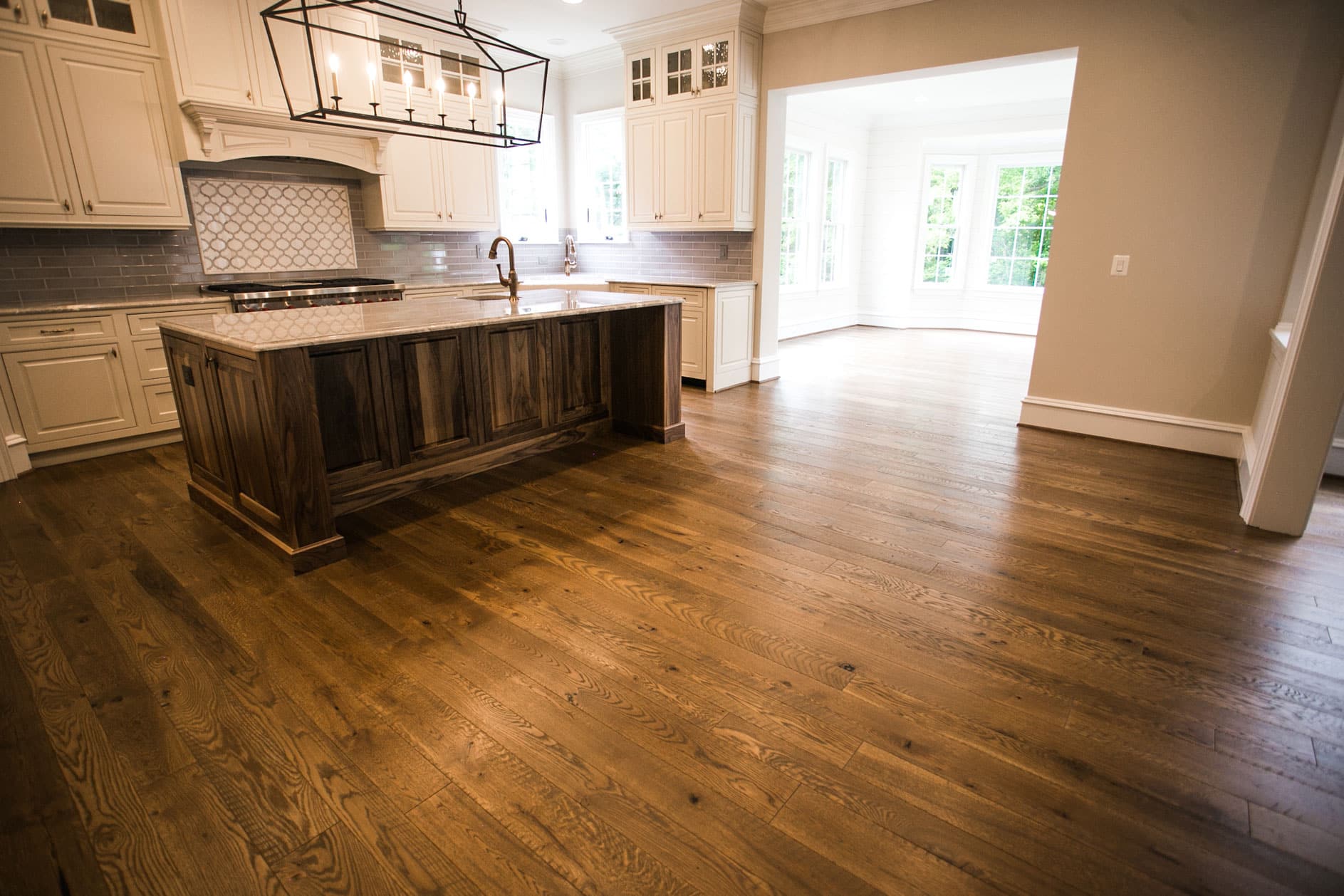
What Makes Cochran’s Chestnut Unique
At Cochran’s, chestnut isn’t just another option — it’s a legacy product we treat with care:
Authentic sourcing: We select chestnut with genuine character and historic appeal.
Made-to-order milling: Every order is tailored to your specifications in Berryville, VA.
Customization: Structure, grade, finish, and texture are all chosen by you to create the right look and feel.
Craftsmanship: Our experience ensures each board reflects the timeless beauty of this rare species.
The result is a chestnut floor that honors history while delivering Cochran’s hallmark precision and quality.